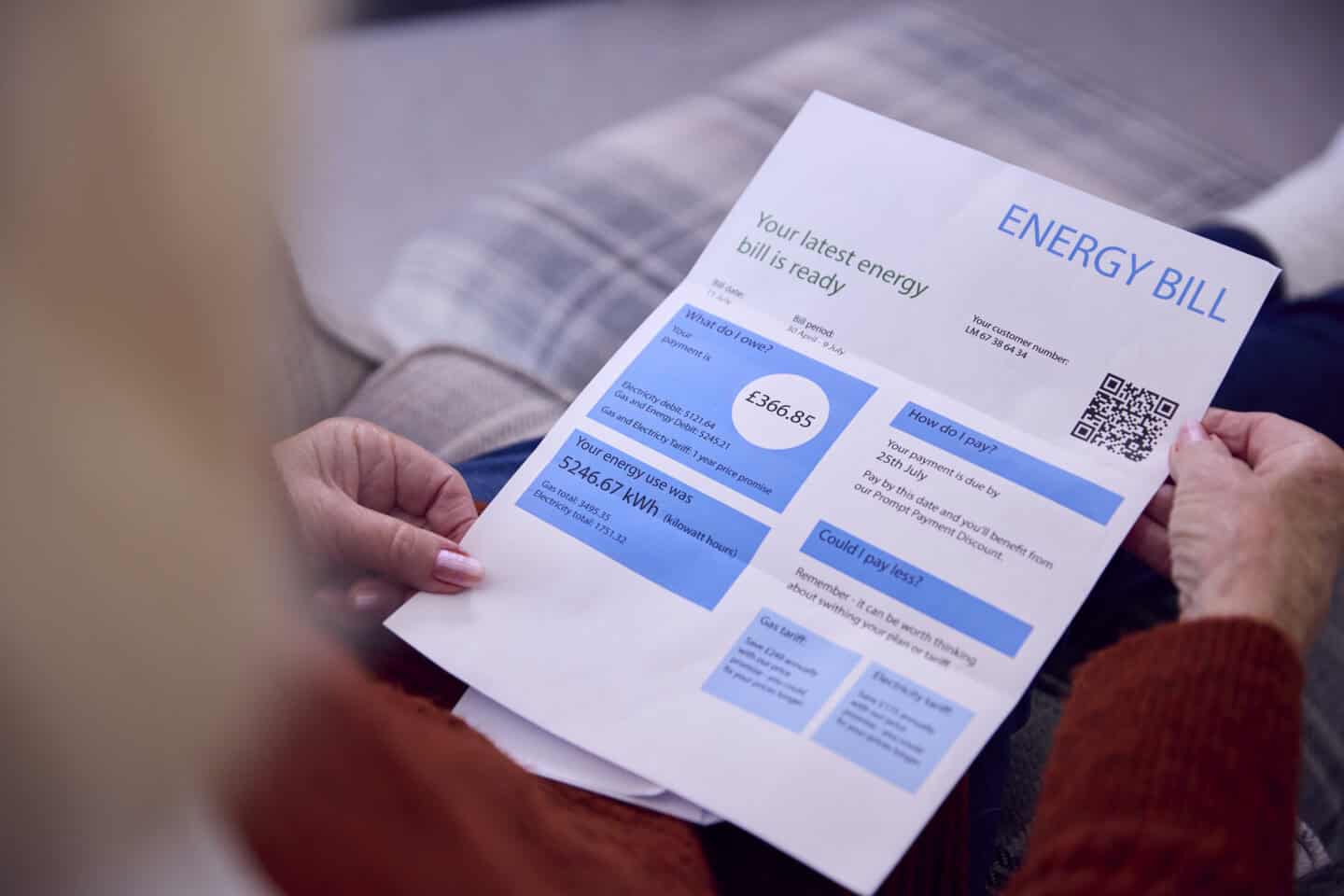
If you’re lying awake at 2am worrying about how you’re going to pay your energy bill, you’re not alone. For many renters, those quarterly statements have become genuinely frightening — especially when you feel trapped in someone else’s poorly insulated flat with an ancient boiler you can’t replace.
When heating your home becomes a luxury you can’t afford, when you’re choosing between staying warm and eating properly, something needs to change. Here’s what many people don’t realise: you have more options than it might seem, even as a renter.
Know your rights as a tenant
You have the right to switch energy suppliers regardless of whether you rent privately, from a housing association, or live in council housing. Your landlord cannot force you to use a specific supplier (unless it’s a property with shared meters, which is rare).
If you haven’t switched because you thought you couldn’t, you absolutely can take control of this. Switching might save you £100-300 per year.
Get the help that’s already there
Social tariffs are cheaper energy deals for people on certain benefits or low incomes. Contact your energy supplier directly to ask about their social tariff — you might be eligible for savings of £100+ per year.
Warm Home Discount gives you £150 off your electricity bill if you’re on certain benefits or have a low income. Check the government’s Warm Home Discount website or call your supplier.
Energy grants from charities and your energy supplier’s hardship fund can help clear debt or pay for essential repairs. Citizens Advice can help you navigate what’s available.
Simple changes that don’t need permission
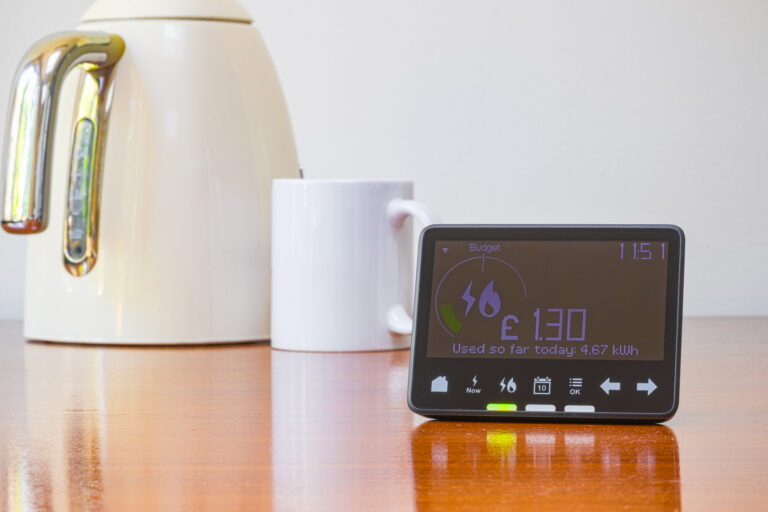
Smart meters are free from your energy supplier and help you track exactly what you’re spending in real time. Citizens Advice has useful information about getting one installed.
Draught-proofing is one of the most cost-effective energy savers. The Energy Saving Trust explains why this works so well. Key items to try:
- Self-adhesive foam strips around windows
- Door draught excluders (or make your own with old towels)
- Keyhole covers and letterbox brushes
Switch your shower head to a water-saving model. A good eco shower head costs £10-30 and can cut both your water and energy bills. Which? has a guide to what works best.
Window film creates an extra layer of insulation on single-glazed windows. It’s not attractive, but it works and removes easily when you move out. Budget around £20-40 to cover a few windows.
Managing your energy use
Heat timing makes a big difference. Use timers to warm your home just before you get up and in the evening when you’re home, rather than heating all day.
Heat the person, not the house. Electric blankets and hot water bottles cost pennies compared to central heating. A heated throw uses about as much electricity as a light bulb.
Unplug devices when not using them. Phone chargers, TVs on standby, and gaming consoles can add £30-50 annually even when you’re not actively using them.
Bigger changes to discuss with your landlord
Your private landlord or housing association might be interested in improvements that reduce complaints about high energy costs:
Loft insulation could save hundreds per year. Many don’t realise how much heat escapes through uninsulated roofs.
Better boiler controls help tenants manage heating costs more effectively.
Housing associations often have maintenance budgets for energy efficiency improvements, especially if multiple tenants face the same issues.
When bills become unmanageable
If your energy costs are genuinely unaffordable, don’t ignore the problem. Contact your supplier before falling behind — they have to help customers in financial difficulty.
Citizens Advice offers free help with energy debt. StepChange and National Debtline provide free advice about managing energy debt alongside other commitments.
Making it work for you
Start with checking what support you’re entitled to — many people miss out on help designed for their situation. Then focus on small, immediate changes that don’t cost much upfront.
Every pound you save on energy bills is money you can use for other things. Even small reductions add up over time and can make your budget more manageable.