We’ve all been there. Running late for work, you grab your phone to tap at the barrier, then realise halfway through your journey that you used your bank card to tap in. That sinking feeling hits when you know you’ve probably just cost yourself twenty quid because the system thinks you’ve made two separate trips. Learning how to save money on public transport can help prevent such costly mistakes.
If you’re living in London, transport probably eats up 10–15% of your monthly budget. Loads of people just accept whatever TfL charges them without really understanding how it works. This lack of awareness can cost you serious money that could be going towards paying off debt or just having a bit more breathing room each month. Knowing how to save money on public transport can help reduce these expenses.
The expensive mistakes everyone makes
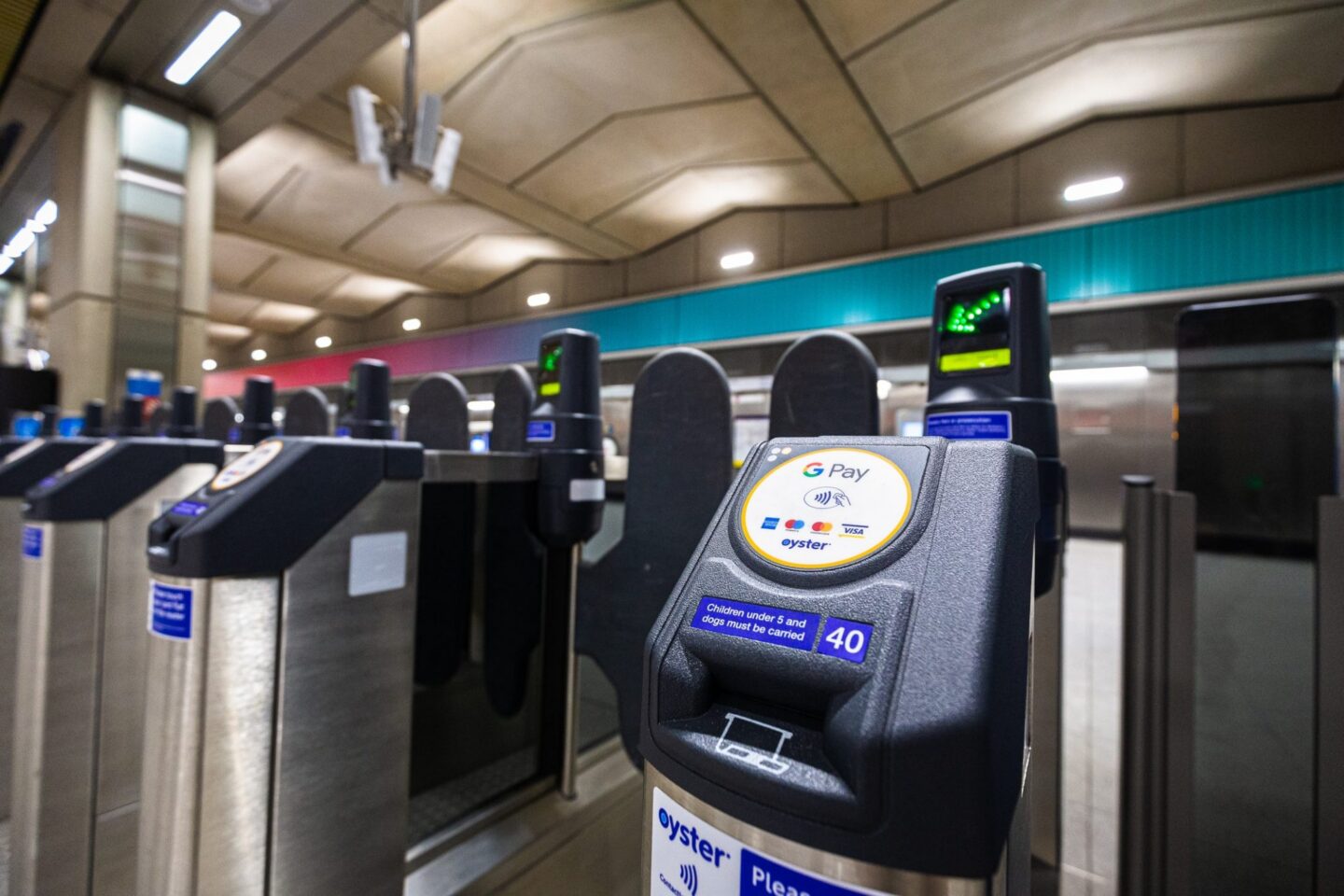
Card clash is probably the most annoying way to lose money on transport. You tap in with your contactless card, then tap out with your phone without thinking. TfL’s system sees these as completely different payment methods and charges you for two incomplete journeys instead of one complete trip.
What should have been a £2.50 bus journey suddenly becomes £21.60 because you’re getting charged the maximum fare twice. The system doesn’t care that you’re the same person—it just sees two separate incomplete trips. Forgetting to tap out is another classic mistake. You hop on the bus, tap in properly, then rush off without tapping out. TfL assumes you’ve travelled as far as possible and charges you the maximum fare. Your quick £1.75 journey becomes £5.25.
Many people just accept these charges when they appear on their bank statement. However, you can actually get incorrect charges refunded through the TfL app – you just need to check what you’re being charged and challenge anything that looks wrong. Managing how to save money on public transport starts with tracking these charges.
How TfL’s payment system works
TfL doesn’t apply travel charges immediately like most shops. Instead, it bundles up all your daily journeys and charges your account the next morning. Monday’s commute, for example, gets charged on Tuesday, and weekend travel doesn’t get charged until Monday morning.
If you’re managing a tight budget, this delay can create problems when you’re not expecting a large transport payment. When TfL tries to collect payment and there’s not enough money in your account, you can usually finish your current journey, but your card will be blocked until you sort out the payment.
Understanding how travel fares, ticket charges, and daily costs work together can make it easier to plan ahead and increase your overall savings.
The good news is that TfL automatically caps your daily travel costs and fares, so you never pay more than the limit. Better still, this capping system ensures your total stays under a set maximum, regardless of how many journeys you make. However, you must use the same payment method consistently—remembering this is a key point in how to save money on public transport.
How to save money on public transport
Weekly caps are one of the best money-saving travel features, helping you reduce ticket costs and commute charges. The cap for Zones 1–2 is £42.70 per week, running Monday to Sunday. Once your weekly travel costs hit that amount, every additional journey until Sunday is free.
If you’re commuting from somewhere like Brixton into Central London five days a week, you’ll hit that weekly cap by Wednesday or Thursday. After that, any weekend trips or evening journeys are free rides. That can easily save you £20–30 on travel fares and ticket costs each week.
You need to use the same payment method for everything. Switching between your bank card, phone, and Oyster card stops you from building up towards the caps properly.
Season tickets: worth it or not?
A Zone 1–2 annual travelcard costs around £1,708. That works out to roughly £4.70 per day if you use it every single day of the year, which sounds reasonable compared to the £8.50 daily cap.
However, most people don’t travel 365 days a year. When you factor in weekends, holidays, and work-from-home days, you’re probably looking at around 250 travel days annually. That pushes your cost per travel day up to nearly £7.
Before buying any annual ticket, track your actual travel costs using contactless for a couple of months. You might find that the automatic capping is already giving you a better deal without a big upfront payment.
Tools that save you money
The TfL mobile app is free and shows you exactly what you’ve been charged for every journey. It lets you spot problems and claim refunds, which is vital for how to save money on public transport. Yet loads of regular users have never downloaded it.
This app reveals spending patterns you might not have noticed and makes it straightforward to report incorrect charges. People who check regularly often save £20–30 monthly just by catching overcharges.
Station staff have seen every payment problem and can help with complex billing issues. Don’t suffer in silence—ask for help when things don’t look right.
Building this into your budget
Smart transport spending means tracking what you actually spend rather than guessing. TfL’s delayed charging scatters payments throughout your bank statement, making it hard to know your real transport costs.
TfL increases fares most years, usually in March. A 5% annual increase becomes a 22% cost rise over four years. Factor these into your budget planning so transport costs don’t gradually eat up more of your income.
Contactless payment gives you flexibility that season tickets can’t match. During tight months, you can walk more, combine trips efficiently, or time your travel to maximise weekly caps.
How we think about London costs
At London Mutual Credit Union, we know that living in London means dealing with costs that don’t exist elsewhere. Transport alone can cost £150–200 monthly for regular commuters, which we factor into loan assessments and financial planning.
We’ve noticed that members who actively track major expenses like transport tend to handle their finances better overall. The habit of checking spending and understanding pricing systems helps with budgeting across other areas of life.
Saving £30 monthly on transport gives you £360 each year for emergency funds, debt payments, or other goals. When you’re living somewhere as expensive as London, taking control of every major expense matters.
Why this matters
Getting control of transport costs is about more than saving money on your commute. It’s about developing better financial awareness that helps with your household budget overall. The skills you use to understand TfL pricing and track spending apply equally to managing utilities, insurance, and other regular bills.
In London, where housing takes up such a big chunk of income, controlling your second-biggest expense gives you crucial breathing room. Every pound saved on unnecessary transport costs could be building your emergency fund or paying down debt.
For Londoners trying to build financial stability despite high costs, optimising transport spending is an easy win that delivers ongoing benefits. When every pound counts, saving money on public transport can help you handle whatever comes next.