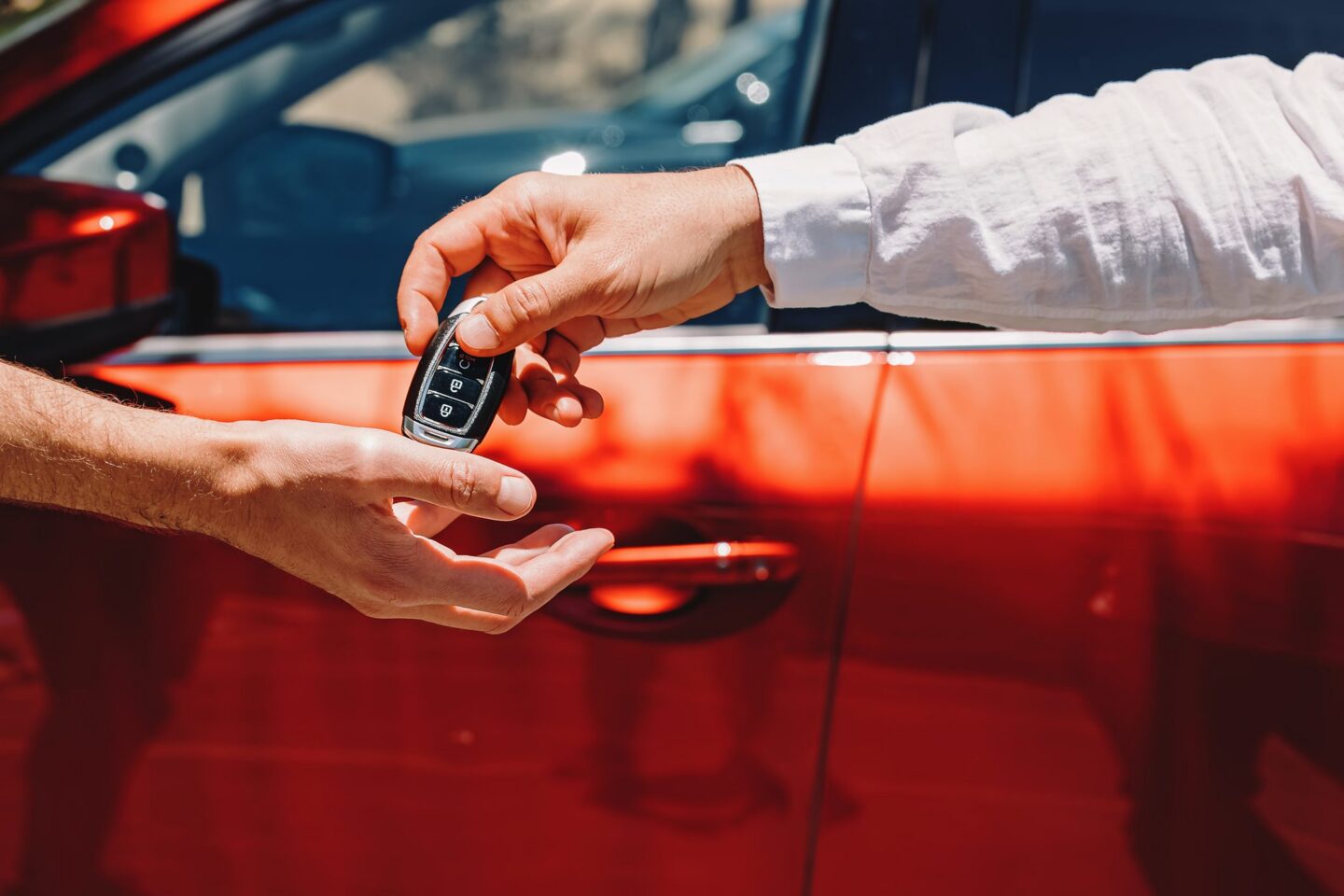
Every week we help dozens of people secure loans for new cars, and it’s easy to see why. Whether you’re after something reliable for the family, looking to cut running costs, or making the switch to electric, there are plenty of good reasons to upgrade your wheels.
But with so many different ways to pay for a car these days, it can feel overwhelming trying to work out which option makes the most sense for your situation. From PCP deals that seem too good to be true, to personal loans that keep things simple, each approach has its own pros and cons.
Here’s everything you need to know about the main ways to finance a car, so you can make the choice that works best for your budget and lifestyle.
Your main financing options at a glance
| Option | You own the car? | Monthly cost | Flexibility | Best for |
|---|---|---|---|---|
| PCP | Not until final payment | Low | High | People who like changing cars regularly |
| Hire Purchase | After final payment | Medium | Low | People who want to own eventually |
| Personal Loan | From day one | Medium-High | High | People who want full ownership and flexibility |
| Cash/Savings | From day one | None | Highest | People with available savings |
Personal Contract Purchase (PCP)
PCP deals are everywhere these days, and it’s easy to see why they’re popular. Walk into any dealership and you’ll probably be greeted with signs promising low monthly payments and the latest models. But while PCP can offer genuine benefits, it’s worth understanding exactly what you’re signing up for.
With PCP, you’re essentially paying for the car’s depreciation over the contract period, not its full value. Think of it like a long-term rental with options at the end. You make monthly payments for two to four years, then decide whether to make a final “balloon payment” to own the car, return it and walk away, or use any equity towards a new PCP deal.
The monthly payments look attractively low because you’re not paying the car’s full value. This makes PCP appealing if you want a newer, more expensive car than you could otherwise afford. Plus, you get loads of flexibility at the end – no obligation to keep the car if your circumstances have changed.
But there’s a catch (isn’t there always?). Those low payments come with strings attached. You’ll have mileage restrictions – typically 8,000 to 12,000 miles per year – and you’ll need to return the car in good condition. Go over your mileage or bring it back with more than “fair wear and tear” and you’ll face extra charges. And if you do want to keep the car, that final balloon payment can be substantial – sometimes £8,000-£15,000 or more.
There’s also the psychological trap: if you always take a new PCP deal, you’ll always have a monthly payment but never actually own anything. It can feel a bit like being on a financial treadmill.
Hire Purchase (HP)
If PCP feels a bit too complicated, Hire Purchase is the straightforward route to car ownership. Think of it like a mortgage for your car: you put down a deposit, make monthly payments, and at the end, it’s yours.
With HP, you typically put down around 10% as a deposit, then make fixed monthly payments covering the remaining cost plus interest. The payments are higher than PCP because you’re paying for the full value of the car, not just its depreciation. But there’s no final balloon payment to worry about, and once you’ve made all the payments, you own the car outright (sometimes there’s a small “option to purchase” fee, but we’re talking £20-50, not thousands).
The beauty of HP is its simplicity. Your monthly payment stays exactly the same throughout the contract, making budgeting straightforward. There are no mileage restrictions because it’s your car (well, it will be once you’ve paid for it), so you can drive as much as you like without worrying about penalty charges.
The trade-off is less flexibility. You’re committed to the same car for the full contract period, which could be three to five years. And because the loan is secured against the car, missing payments could mean losing it. But for many people, the predictability and guaranteed ownership make HP an appealing middle ground between PCP complexity and the higher interest rates of personal loans.
Personal loans
Personal loans keep things refreshingly simple in a world of complicated car finance deals. Borrow the money, buy the car, own it from day one – job done. No balloon payments, no mileage restrictions, no end-of-contract decisions to stress about.
The process is straightforward: you apply for a loan, get approved for a certain amount, then use that money to buy your car outright. The car is yours immediately, and you repay the loan in fixed monthly instalments over an agreed period. Because the loan is separate from the car purchase, you can negotiate with dealers as a cash buyer, which sometimes gets you a better price.
Personal loans also give you complete flexibility. Want to modify your car? Go ahead. Fancy a spontaneous road trip across Europe? No mileage limits to worry about. Need to sell the car unexpectedly? It’s yours to sell, though you’ll still need to repay the loan.
The main consideration is that personal loans are typically unsecured, which means lenders see them as higher risk. This can mean higher interest rates than secured car finance, and lenders might be more cautious about who they approve. You’ll also be borrowing the full purchase price of the car, so monthly payments can be higher than PCP deals (though often similar to HP).
But for many people, the simplicity and immediate ownership make personal loans an attractive option. You borrow exactly what you need, you own the car from day one, and once the loan is paid off, that’s it – no more monthly payments.
We offer personal loans from £100 to £15,000 for car purchases, with straightforward fixed monthly payments and no nasty surprises. The application process is designed to be as stress-free as possible, and our loans team can talk you through how it all works.
Saving up first
Sometimes the best car finance is no car finance at all. It might sound old-fashioned in a world of 0% APR deals and low monthly payments, but buying with cash still has some serious advantages.
If your current car is reliable and not costing you a fortune in repairs, keeping it while you save could make perfect financial sense. Instead of making monthly loan payments, you make monthly payments to yourself. Save £200-300 a month and within a year you’ll have a decent budget for your next car.
The psychological benefit is real too. When you’ve saved up for something, you tend to make more thoughtful decisions about what you actually need versus what you think you want. Plus, walking into a dealership as a cash buyer puts you in a stronger negotiating position – you’re not tied to their finance deals, and they know a cash sale is guaranteed.
Of course, saving up isn’t always practical. If your car has given up the ghost or is costing more in repairs than it’s worth, waiting six months while you save might not be an option. But if you’re thinking about upgrading rather than replacing out of necessity, it might be worth considering whether you could wait and save instead.
Our savings accounts can help you build up your car fund steadily. Even small, regular amounts add up surprisingly quickly when you’re not paying interest to anyone else. Sometimes the most exciting purchase is the one you own completely from day one.
Understanding which option might suit different situations
PCP might suit you if:
- You like changing cars every few years
- You prefer lower monthly payments
- You’re comfortable with mileage and condition restrictions
- You don’t mind potentially never owning the car
HP might suit you if:
- You want to own the car eventually
- You prefer straightforward agreements
- You don’t want mileage restrictions
- You can afford higher monthly payments than PCP
A personal loan might suit you if:
- You want immediate full ownership
- You like shopping around for the best car deals
- You want maximum flexibility
- You’re comfortable with unsecured borrowing
Saving up might suit you if:
- Your current car is still reliable
- You’re not in a rush to upgrade
- You want to avoid interest payments
- You have the discipline to save regularly
Things to consider when comparing options
For any finance option:
- Compare total costs, not just monthly payments
- Read all terms and conditions, especially around early termination
- Factor insurance requirements into your budget
- Take time to understand all the options available
When considering a loan:
- Compare rates from different providers
- Understand the difference between dealer finance and independent loans
- Consider negotiating the car price separately from the finance arrangement
For PCP and HP:
- Understand all fees and charges involved
- Compare the finance provider’s rates with other available options
- Consider the total cost over the full term, not just the monthly payment
Bottom line
The most suitable car finance option depends on your individual priorities: whether you value lower monthly payments, eventual ownership, or maximum flexibility. There’s no universally “right” option, just different approaches that work better for different situations and goals.
When comparing options, consider the total cost over the full term rather than just the monthly payment. Whether you’re looking at PCP, HP, a loan, or saving up, the most important factor is finding something that fits comfortably within your budget.